When most people think about pollution in the sea, they picture plastic bottles floating on the surface or litter washed up along the shoreline. While that pollution is still a huge problem, some of the biggest threats to our coastal waters are often the things we cannot see at all.
Across the Solent, thousands of people use the water every single day. Families paddle and swim, children learn to sail and crab from the shore, paddleboarders head out at sunrise, and local businesses depend on healthy, thriving coastal waters. Our harbours are not just beautiful places to visit, they are a huge part of daily life here.
But water quality can change incredibly quickly.
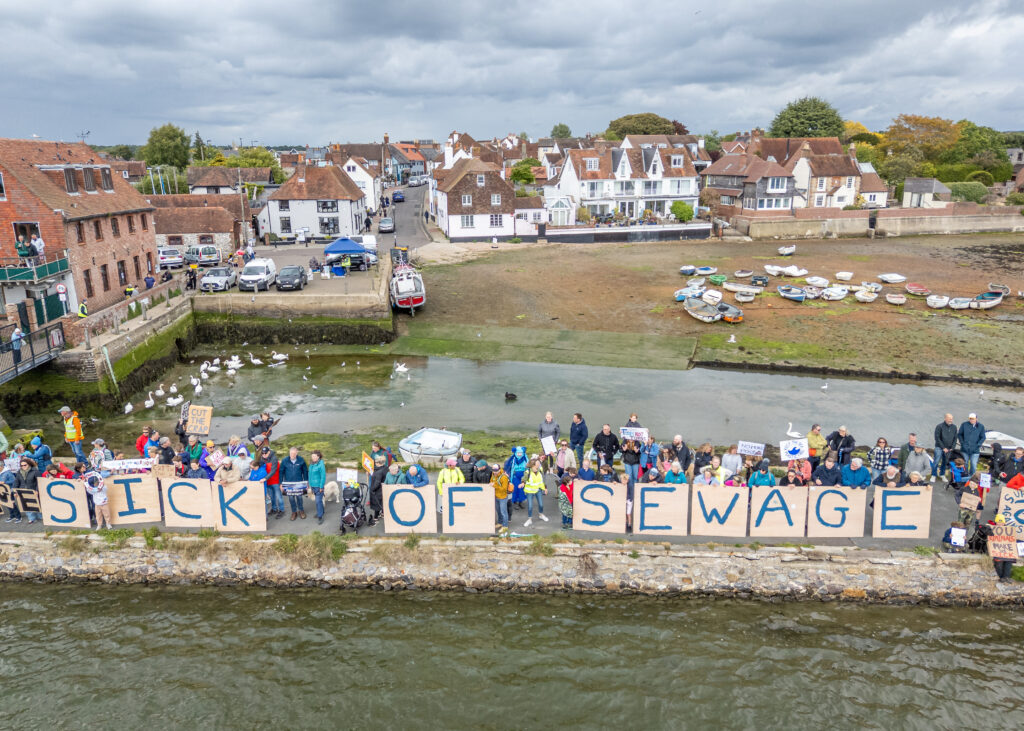
Heavy rainfall, tidal movements, rising temperatures, and human activity can all influence what is happening in the water from one day to the next. That is exactly why regular testing matters so much. A single sample taken now and then only tells part of the story. To truly understand what is happening within our harbours and coastal environments, we need consistent long-term data collected over time.
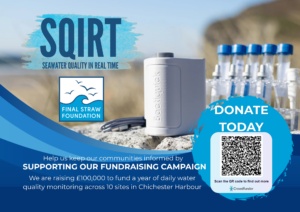
That is why at Final Straw Foundation we launched our 365 water quality monitoring programme.
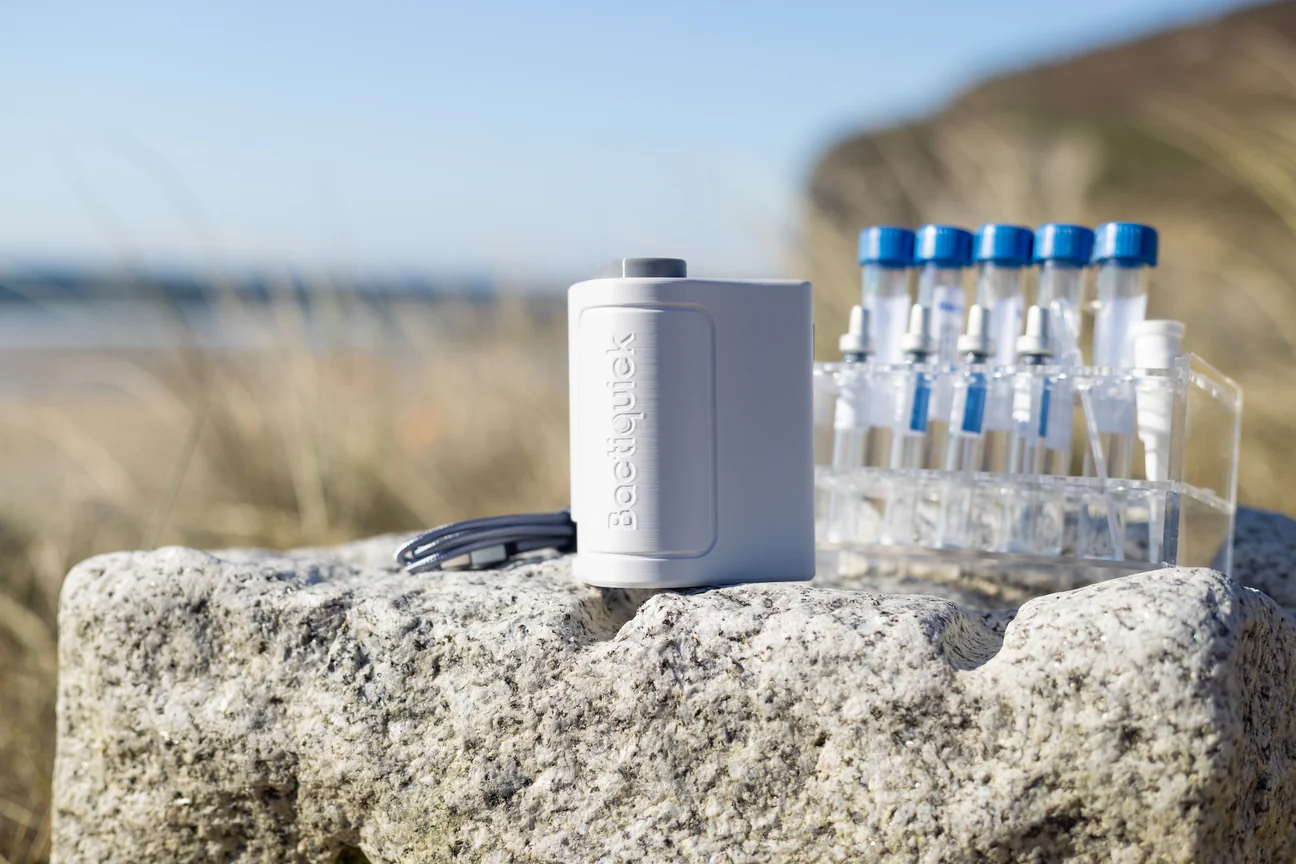
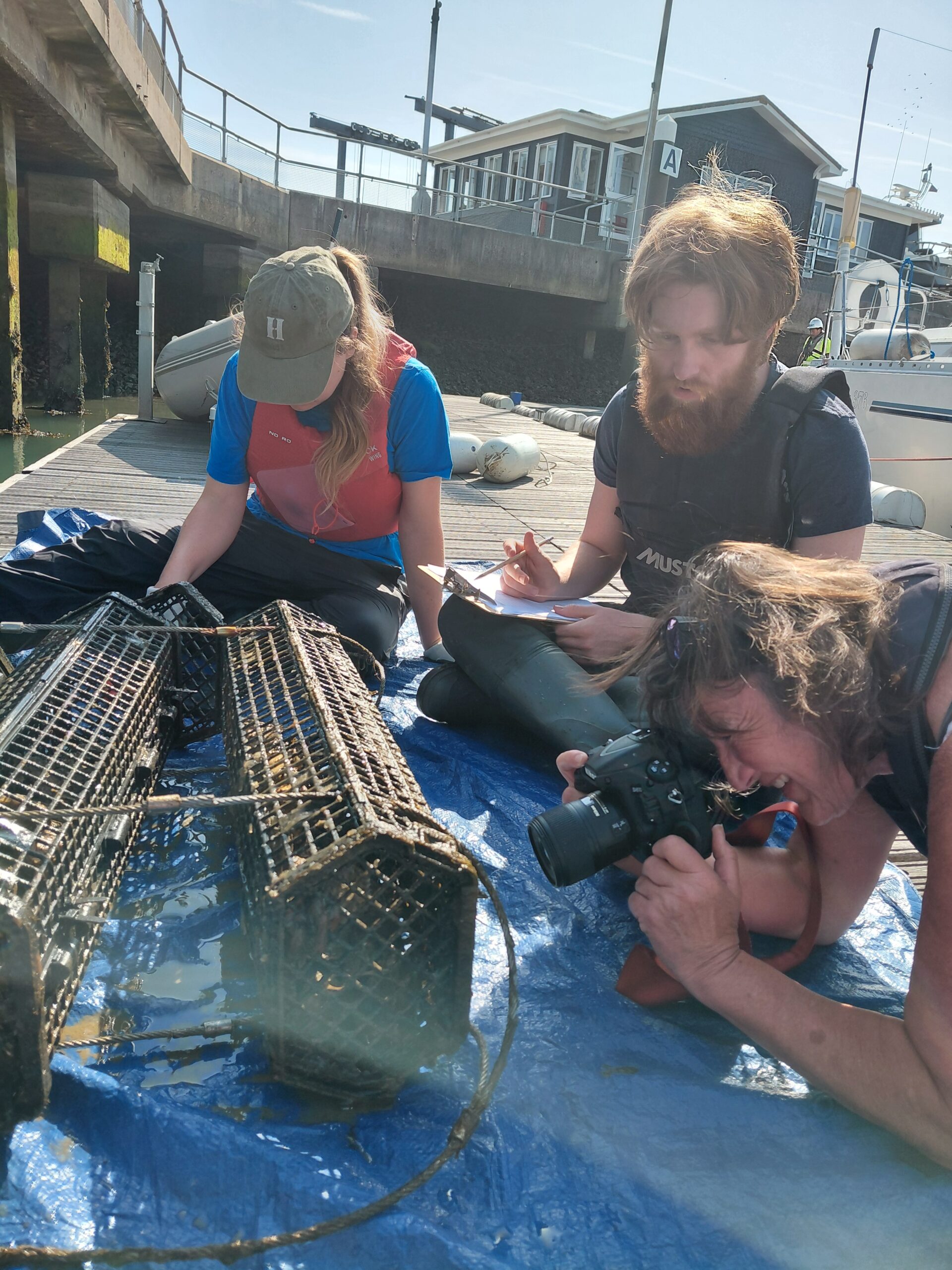
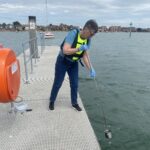
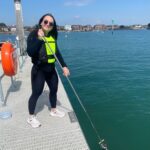
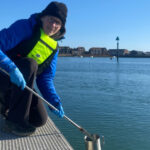
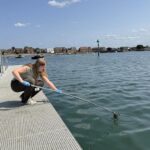
Every single day, trained volunteers head out to collect samples at our current monitoring sites in Emsworth and on Hayling Island. It is early mornings before work, rainy afternoons and windy harbour walls. It’s people giving up their time because they care deeply about protecting the waters they use and love.
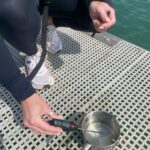
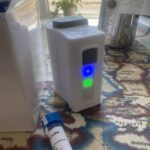
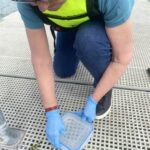
These are just the first sites within what we hope will become a much larger Solent-wide monitoring network, allowing us to build a clearer and more representative understanding of water quality across our coastal environment over time.
The aim is simple: to build a transparent, long-term picture of water quality across our coastal environment.
This is not about pointing fingers or causing panic. It is about understanding. The more data we collect, the more we can begin to understand patterns, changes and environmental pressures affecting our coastline over time.
The programme is also helping connect people back to the sea in a completely different way. Water testing turns environmental issues from distant headlines into something real and local. Suddenly, people are asking questions about tides, rainfall, bacteria, ecosystems and how our actions on land affect the sea around us. That awareness is incredibly powerful.
For us, protecting the Solent is not just about conservation. It is about protecting public health, marine wildlife, local communities and the future of our coastline. Healthy seas support biodiversity, recreation, tourism, wellbeing and livelihoods. When water quality declines, the impacts ripple far beyond the shoreline.
What gives us hope is seeing how many people want to be part of the solution.
From volunteers and schools to scientists, harbour users and local supporters, there is a growing feeling that communities want better understanding, better transparency and better protection for our seas.
The Solent is an extraordinary place. It deserves to be monitored, understood and protected properly, not just for today, but for future generations.
Blog Written by Bianca Carr, CEO of Final Straw Foundation.
September 2026