Over the past two decades, a massive wave of information has been building and is completely changing how we look at plastic. Hard-hitting documentaries like A Plastic Ocean (2017), Albatross (2017), Bag It (2010), BBC’s Blue Planet II (2020), BBC One’s War on Waste, and the recent Ocean (2025) and Plastic People (2025) have been making clear the global waste crisis. We can vouch for it as we see it so much on our beach cleans!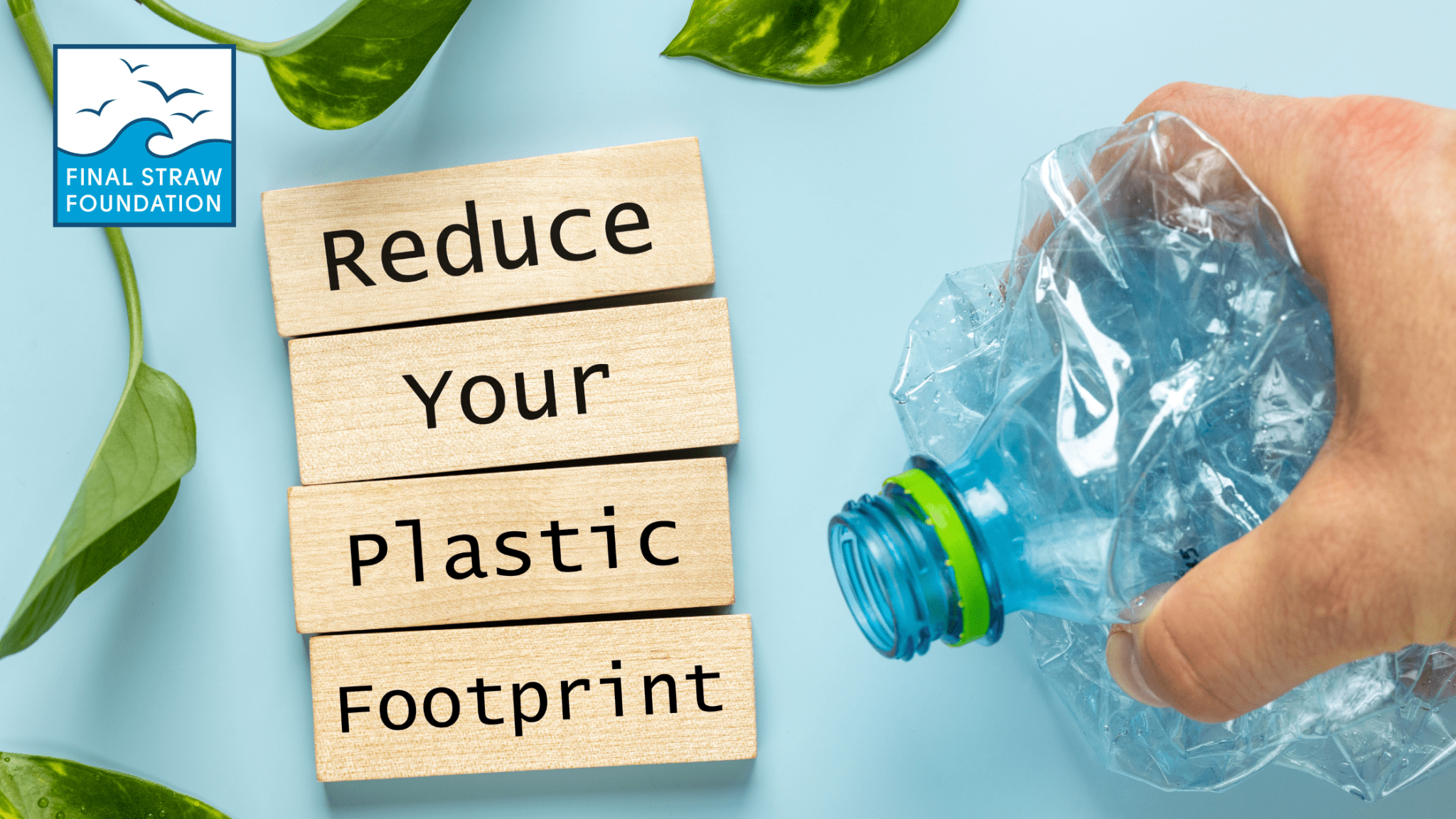
If you watched any of these, we are sure they made you ask a lot of big questions. But the main one usually boils down to:
“How can I actually make a difference?”
Let’s be honest, completely ditching plastic 100% is practically impossible in the modern world and setting that as a goal only leads to overwhelm and quitting. However, significantly reducing your plastic footprint at home is one of the easiest, most impactful things you can do.
To help make it manageable, we like to look at the 5 R’s of Waste Management:
Refuse, Reduce, Reuse, Recycle, and Refill
1. REFUSE
This is the vital first step. Refusing means preventing waste, particularly single-use plastic, from entering your home in the first place.
Easy wins: Saying no to plastic carrier bags, straws, plastic cutlery, and single-use cups. It also means refusing junk mail and cheap promotional plastic freebies that have a lifespan of about five minutes before heading to the bin.
2. REDUCE
Reducing simply means getting clear about what you need and cutting back on what you don’t.
Easy wins: Cutting back on plastic-heavy meal deals or fast food by prepping your own lunch. Try swapping supermarket wrapped veggies for a trip to your local market stall or a loose veg box delivery. You can even reduce your footprint by choosing second-hand clothing over fast-fashion online stores
3. REUSE
Before you buy something new, look at what you already own. The goal is to reuse what you have until it breaks, and only then switch it out for a more sustainable alternative.
Easy wins: Keep using that plastic tupperware or old ice cream tub to store leftovers until it finally gives up the ghost. When it does, swap it out for a steel tupperware. Don’t throw away a perfectly functional plastic water bottle just to buy a trendy metal one, use it until it breaks, then upgrade to stainless steel
For example, do you know what the Green Dot symbol actually means?

The Green Dot Myth: This symbol is used on packaging across Europe and simply signifies that the producer has made a financial contribution toward packaging recovery systems. It does not mean the item itself can be recycled, yet millions of people mistakenly believe it does.
You would think that with all the council-run recycling centres across the UK, we’d be processing massive volumes of plastic. Unfortunately, we aren’t. Why?
- Too many plastics: There are so many different forms of plastic being used by manufacturers, and they aren’t all widely recyclable, which creates massive confusion for the public.
- Postcode lotteries: Every local council has entirely different recycling capabilities, budgets, sorting facilities, and rules.
- Exporting waste: As past documentaries like War on Waste have highlighted, some UK councils have even been caught exporting plastic waste abroad to be burned. This isn’t necessarily the fault of the local authorities, but it is definitive proof that our current recycling system is fundamentally broken.
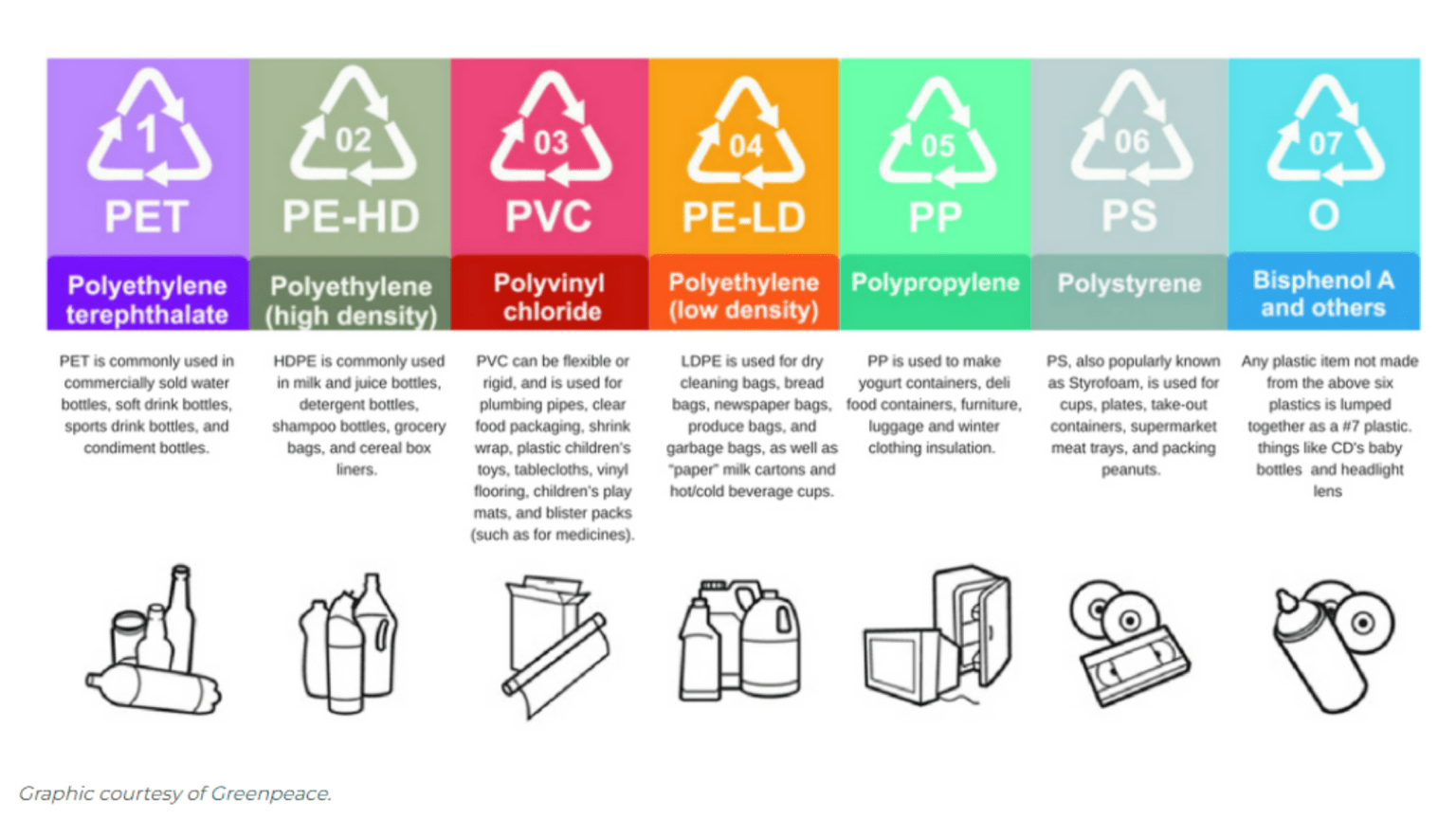
4. REFILL & REUSE (The Real Answer)
Because recycling is failing to keep up, Refilling and Reusing is the real answer.
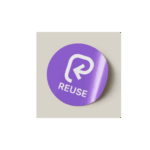 Change is coming on a global scale. In fact, a brand-new, globally recognised Reuse Symbol was unveiled by an international alliance of businesses, governments, and NGOs. This symbol is designed to (and hopefully) make it easier for consumers worldwide to identify genuinely reusable packaging and refill systems.
Your “Everyday Hero” Starter Kit
You don’t need to reinvent your entire life this July. If you want to make a massive dent in your personal plastic consumption, we highly recommend keeping these four simple items in your home or everyday bag:
- A reusable coffee cup
- A few cloth tote shopping bags
- A reusable stainless steel drinking bottle
- A reusable takeaway container or lunchbox
Small, everyday changes by thousands of people will always outweigh a handful of people doing it perfectly. Let’s focus on reducing what we can, protecting our local coastlines, and making better choices one day at a time!
Writen by Laura Hayward, Engagement and Administration Officer at Final Straw Foundation.